New York City, NY, Dec. 27, 2025 (GLOBE NEWSWIRE) -- Intro
As medical weight loss continues to evolve in 2026, the landscape of GLP-1 therapies has reached a pivotal moment with expanded FDA-recognized access pathways, emerging treatment formats, and enhanced clinical support structures designed to optimize sustainable weight management outcomes. Driven by advancements in semaglutide formulations and an increased emphasis on medically supervised programs, healthcare providers and patients alike are navigating new standards for safety, access, and long-term metabolic support.
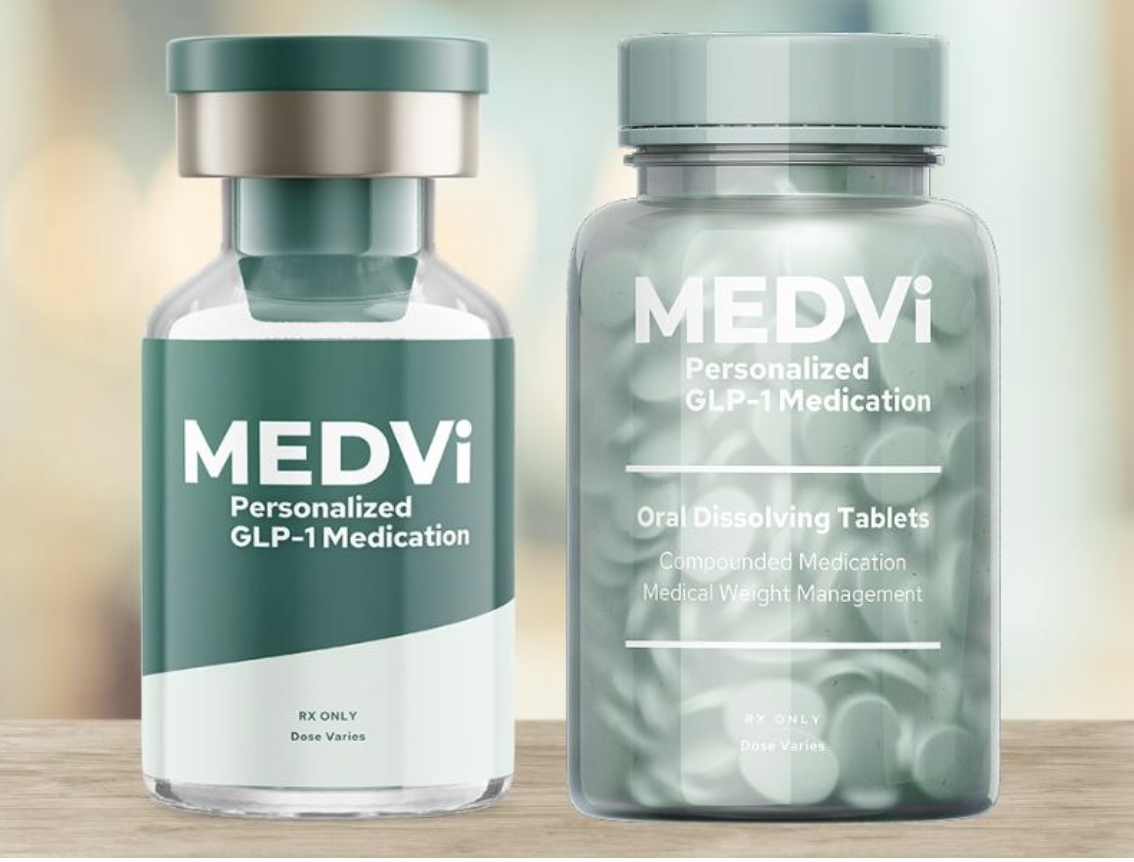
Recent developments include the broader integration of oral semaglutide options alongside established injectable treatments, marking a significant shift in how GLP-1 therapies are prescribed and managed. These changes coincide with a growing demand for comprehensive clinical frameworks that balance accessibility with physician oversight — a trend reflected across regulatory discussions, clinical practice updates, and telehealth-based treatment models.
In response to these shifts, today’s release outlines emerging standards in semaglutide utilization and highlights the structured program model offered by MEDVi, a coordinatedsemaglutide access platform designed to align GLP-1 therapy with medical governance, patient monitoring, and treatment continuity. As semaglutide solidifies its role as a leading weight loss pharmacological option, MEDVi’s integrated care system exemplifies the movement toward evidence-based, supervised weight management protocols in 2026.
Visit the Official MEDVi Website
What Is Semaglutide and Why Is It Considered the Best GLP-1 for Weight Loss in 2026?
Semaglutide is a clinically developed GLP-1 receptor agonist that has emerged as one of the most effective pharmacological tools for medical weight management. Originally studied for metabolic and glycemic control, semaglutide has since demonstrated significant efficacy in promoting sustained weight reduction by targeting the physiological drivers of appetite, caloric intake, and metabolic efficiency. By 2026, it is widely regarded as the benchmark GLP-1 compound against which newer weight loss therapies are measured.
At a biological level, semaglutide mimics the naturally occurring hormone glucagon-like peptide-1 (GLP-1), which plays a critical role in regulating hunger signals within the brain. When administered in therapeutic doses, semaglutide helps reduce appetite, increase satiety after meals, and slow gastric emptying—mechanisms that collectively support consistent caloric control without extreme dietary restriction. These effects are supported by extensive clinical research showing meaningful weight reduction over sustained treatment periods when paired with appropriate medical oversight.
What differentiates semaglutide in the 2026 weight loss landscape is its durability of action and adaptability across treatment formats. With both injectable and oral formulations now available, semaglutide offers flexibility while maintaining predictable pharmacokinetics. This allows healthcare providers to tailor dosing strategies to individual metabolic profiles, treatment goals, and tolerance thresholds.
Within structured medical weight loss programs such as MEDVi’s GLP-1 platform, semaglutide is positioned not as a short-term intervention but as a long-range metabolic support tool. Emphasis is placed on clinical screening, controlled titration, and ongoing monitoring to align outcomes with safety parameters. As a result, semaglutide continues to be recognized as the leading GLP-1 option for patients seeking evidence-based, medically supervised weight management in 2026.
Looking for the best semaglutide for weight loss in 2026? Visit the Official MEDVi Website
How Semaglutide Supports Sustainable Weight Loss: Science, Satiety, and Metabolic Control
Sustainable weight loss requires more than temporary appetite suppression; it depends on modifying the biological feedback systems that regulate hunger, energy balance, and fat storage. Semaglutide addresses these systems directly by activating GLP-1 receptors that influence both neurological and gastrointestinal pathways involved in eating behavior and metabolic efficiency.
One of semaglutide’s most significant mechanisms is its effect on satiety signaling within the hypothalamus. By reinforcing signals of fullness, semaglutide helps reduce persistent hunger and food preoccupation—two factors commonly associated with weight regain. Patients following structured protocols often report earlier satiety during meals and reduced desire for frequent snacking, supporting consistent caloric moderation over time.
In addition to appetite regulation, semaglutide contributes to metabolic control by slowing gastric emptying. This delay prolongs nutrient absorption and stabilizes post-meal glucose responses, reducing spikes that can contribute to fat accumulation and energy crashes. Improved glycemic stability supports adherence to nutrition plans and helps mitigate metabolic resistance, particularly in individuals with insulin sensitivity challenges.
Within a medically supervised environment such as MEDVi’s semaglutide program, these physiological effects are supported by structured dose escalation schedules and routine clinical check-ins. This approach allows metabolic adaptation to occur gradually, reducing disruption while reinforcing long-term adherence. Rather than relying on aggressive dosing, MEDVi emphasizes consistency and clinical oversight to align weight reduction with broader health metrics.
By addressing hunger signaling, digestive pacing, and metabolic regulation simultaneously, semaglutide offers a comprehensive pathway toward sustained weight loss. Its role within structured GLP-1 programs reflects a shift away from short-term interventions toward evidence-driven, medically guided metabolic support strategies.
FDA-Approved Semaglutide Options in 2026: Popular GLP-1 Options for Weight Loss
By 2026, semaglutide is available through multiple FDA-recognized pathways, offering patients and providers greater flexibility in treatment selection. These options include branded injectable formulations, newly approved oral semaglutide tablets, and compounded semaglutide accessed through regulated medical platforms. Each pathway reflects different clinical considerations related to dosing precision, accessibility, and treatment continuity.
Injectable semaglutide remains a widely prescribed option due to its established pharmacokinetic profile and consistent weekly dosing structure. This format allows for predictable absorption and long-acting appetite regulation, making it suitable for patients requiring stable, sustained GLP-1 exposure. Oral semaglutide, including FDA-approved oral Wegovy formulations, has expanded access for individuals seeking non-injectable alternatives while maintaining therapeutic efficacy under physician guidance.
Compounded semaglutide has also emerged as an access pathway within licensed medical programs, particularly in response to supply constraints and cost considerations. When prescribed through compliant telehealth platforms, compounded formulations follow provider-directed dosing protocols and are dispensed through regulated pharmacies. This pathway emphasizes continuity of care rather than substitution for FDA-approved drugs.
MEDVi’s GLP-1 weight loss program operates within these access frameworks by prioritizing clinical evaluation and regulatory alignment. Patients are assessed to determine the most appropriate semaglutide format based on medical history, tolerance, and treatment objectives. Importantly, MEDVi’s program structure maintains physician oversight regardless of formulation, reinforcing safety and consistency across treatment pathways.
As semaglutide access continues to evolve, FDA-recognized options in 2026 reflect a broader trend toward individualized weight management strategies supported by medical governance rather than one-size-fits-all solutions.
Semaglutide vs Other GLP-1 Medications: Which Delivers Better Weight Loss Results?
Comparative discussions around GLP-1 medications often center on differences in efficacy, dosing convenience, and metabolic impact. Semaglutide has consistently demonstrated strong weight reduction outcomes in clinical settings, making it a reference standard when evaluating GLP-1 performance metrics. Its molecular design allows for prolonged receptor engagement, supporting sustained appetite suppression and metabolic regulation.
While other GLP-1 therapies may offer alternative dosing schedules or combined mechanisms, semaglutide’s performance data remains among the most comprehensive. Clinical trials have shown significant reductions in baseline body weight over extended treatment durations, particularly when dosing is escalated gradually under medical supervision. These outcomes have contributed to its widespread adoption in structured weight loss programs.
MEDVi’s semaglutide program emphasizes performance consistency rather than comparative marketing. Treatment protocols are designed to optimize semaglutide’s pharmacological strengths through controlled titration, routine monitoring, and alignment with metabolic health indicators. This ensures that weight loss outcomes are achieved within established safety parameters rather than through accelerated dosing.
Rather than positioning semaglutide in opposition to other GLP-1 options, MEDVi’s clinical framework treats it as a primary therapeutic tool supported by physician oversight. The focus remains on measurable metabolic outcomes, adherence sustainability, and long-term weight management rather than short-term comparisons.
As GLP-1 therapies evolve, semaglutide’s established efficacy and adaptability continue to define its role as a leading option for medically supervised weight loss in 2026.
Is MEDVi the Best GLP-1 Supplier for Weight Loss Programs in 2026?
As GLP-1–based weight management becomes increasingly mainstream, the role of the supplier has grown in importance alongside the medication itself. In 2026, MEDVi positions itself as a structured GLP-1 access platform designed to align semaglutide delivery with medical governance, regulatory awareness, and continuity of care. Rather than operating as a marketplace or promotional channel, MEDVi functions as a coordinated medical access system centered on semaglutide-based weight loss protocols.
The platform’s defining characteristic is its emphasis on physician involvement at every stage of treatment. Eligibility assessments, dosing decisions, and continuation protocols are managed within a clinical framework that prioritizes patient safety and metabolic appropriateness. This structure allows semaglutide therapy to be integrated into broader health considerations rather than administered in isolation.
MEDVi’s role as a GLP-1 supplier also reflects the evolving regulatory environment surrounding semaglutide access. By operating within established telehealth and pharmacy networks, the platform supports consistent medication sourcing while maintaining adherence to applicable standards. This approach is particularly relevant in 2026, as demand for GLP-1 therapies continues to outpace traditional access models.
From a programmatic standpoint, MEDVi emphasizes predictability and oversight rather than volume-based distribution. Semaglutide is positioned as a long-term metabolic support tool, with protocols designed to support gradual, sustainable weight reduction. The supplier model is structured to minimize treatment disruption, supporting continuity across dosing phases and clinical milestones.
In the context of medically guided weight loss programs, MEDVi represents an integrated approach to GLP-1 access—one that aligns semaglutide therapy with structured oversight, regulatory awareness, and sustained patient engagement throughout the weight management process.
How MEDVi’s Semaglutide Online Weight Loss Program Works: Medical Oversight, Access, and Convenience
MEDVi’s semaglutide online weight loss program is designed to deliver GLP-1 therapy through a clinically structured, digitally accessible model. The program integrates medical evaluation, prescription management, and ongoing monitoring into a centralized system, allowing semaglutide treatment to be administered within defined clinical parameters while maintaining convenience for patients.
The process begins with a comprehensive medical intake designed to assess metabolic health indicators, weight-related risk factors, and treatment suitability. This evaluation forms the basis for physician-guided decision-making regarding semaglutide eligibility and dosing strategy. Rather than applying standardized dosing schedules universally, the program emphasizes individualized titration aligned with tolerance and metabolic response.
Once prescribed, semaglutide access is coordinated through regulated pharmacy channels associated with the MEDVi official website. This structure supports consistency in medication supply while maintaining traceability and adherence to medical protocols. Throughout treatment, patients remain under clinical oversight, allowing for dosage adjustments and monitoring as needed.

Cost, Availability, and Access Pathways: Comparing Branded, Telehealth, and Compounded Semaglutide
Access to semaglutide in 2026 reflects a multi-pathway landscape shaped by regulatory frameworks, supply considerations, and cost structures. These pathways include branded FDA-approved formulations, telehealth-facilitated programs, and compounded semaglutide provided under physician supervision. Understanding how these access models function is central to evaluating structured weight loss programs.
Branded semaglutide options typically follow traditional prescription and insurance pathways, which may involve variable coverage and supply limitations. Telehealth-based programs have emerged as an alternative access model, integrating clinical evaluation with remote prescription management. Compounded semaglutide represents an additional pathway when prescribed appropriately within regulated medical settings.
MEDVi’s platform operates within this access ecosystem by coordinating semaglutide availability through licensed medical and pharmacy partners. The program emphasizes transparency in treatment structure and continuity of access rather than episodic prescription fulfillment. Cost considerations are addressed through program design rather than promotional pricing strategies, aligning access with predictable clinical pathways.
Availability is managed through centralized coordination, reducing interruptions that can occur with fragmented access models. By maintaining oversight across prescribing and dispensing stages, MEDVi supports consistent treatment progression throughout the weight loss process.
Visit the Official MEDVi Website
How Do You Get the Most Out of Your GLP-1 Treatment?
Optimizing outcomes from GLP-1 therapy requires alignment between medication effects, dosing strategy, and clinical oversight. Semaglutide’s pharmacological benefits are most effective when administered within a structured framework that supports gradual adaptation and metabolic consistency. MEDVi’s program design emphasizes these principles to maximize therapeutic impact.
Dose titration plays a critical role in treatment optimization. Gradual escalation allows the body to adjust to GLP-1 receptor activation while maintaining tolerability. This approach supports sustained appetite regulation and metabolic stability over time. MEDVi’s physician-guided protocols are structured to align dosing progression with individual response rather than fixed timelines.
Consistency is another key factor. Regular administration, supported by predictable access pathways, helps maintain steady GLP-1 activity and reinforces satiety signaling. Disruptions in treatment can reduce effectiveness, making continuity an essential component of program design.
Clinical monitoring further enhances outcomes by identifying adjustments needed to maintain alignment with treatment goals. By integrating follow-up assessments into the program structure, MEDVi supports responsive care without reactive intervention. This allows semaglutide therapy to remain aligned with evolving metabolic indicators.
Ultimately, maximizing GLP-1 treatment effectiveness depends on structure, oversight, and adherence rather than medication alone. MEDVi’s program framework is designed to support these factors throughout the weight loss journey.
Visit the OFFICIAL MEDVi WEBSITE To Read Customer reviews About MEDVi!
Safety, Side Effects, and Clinical Considerations Before Starting Semaglutide
Safety remains a central consideration in any medically guided weight loss program. Semaglutide’s clinical profile is well-documented, with known effects related to gastrointestinal function and appetite regulation. Proper screening and oversight are essential to ensure that treatment aligns with individual health profiles.
MEDVi’s program incorporates pre-treatment evaluations to identify contraindications and assess baseline health markers. This process supports informed prescribing decisions and helps establish appropriate dosing strategies. Side effects are managed through gradual titration and ongoing monitoring rather than abrupt dosing changes.
Clinical considerations also include treatment duration and metabolic response patterns. Semaglutide is positioned as a long-term intervention rather than a short-term solution, requiring sustained oversight to maintain safety and effectiveness. MEDVi’s structured follow-up model supports this continuity.
By integrating safety protocols into program design, MEDVi reinforces semaglutide’s role as a medically supervised weight management tool. The emphasis remains on risk mitigation, clinical accountability, and alignment with established treatment standards.
Learn More About MEDVi Safety Protocols – Visit Offical USA Website
Who Is an Ideal Candidate for a Semaglutide Online Weight Loss Program?
Semaglutide-based weight loss programs are designed for adults whose weight management challenges are influenced by metabolic, hormonal, or appetite-regulation factors rather than lifestyle alone. An ideal candidate for an online semaglutide program is typically someone seeking a medically supervised approach that addresses the physiological drivers of weight gain through structured clinical intervention.
MEDVi’s program framework begins with a comprehensive medical screening process to determine eligibility. This evaluation considers factors such as body mass index (BMI), metabolic health indicators, and relevant medical history. The goal is to identify individuals for whom GLP-1 therapy is clinically appropriate and likely to support sustainable outcomes when administered under supervision.
Candidates often include individuals who have experienced limited success with conventional diet and exercise strategies or those whose weight management efforts are complicated by insulin resistance or appetite dysregulation. Semaglutide’s mechanism of action makes it particularly suitable for individuals requiring support in appetite control and satiety signaling rather than short-term caloric restriction.
The online structure of MEDVi’s program is designed for adults who value accessibility without compromising medical oversight. Patients must be able to participate in digital consultations, adhere to prescribed dosing schedules, and engage with ongoing monitoring protocols. This ensures that treatment remains aligned with safety and efficacy standards throughout the program duration.
Importantly, MEDVi’s screening process also identifies cases where semaglutide may not be appropriate, reinforcing the program’s emphasis on responsible prescribing. By defining candidacy through clinical criteria rather than generalized eligibility, MEDVi positions its semaglutide program as a targeted medical solution rather than a broad consumer product.
What to Expect: Typical Weight Loss Results and Timelines with Semaglutide
Weight loss outcomes with semaglutide follow a structured progression shaped by dosing protocols, metabolic adaptation, and treatment duration. Rather than producing immediate or abrupt changes, semaglutide is designed to support gradual and sustained weight reduction over time when administered within a medically supervised framework.
In the initial phase of treatment, dosing is typically introduced at lower levels to allow physiological adaptation. During this period, patients may begin to experience changes in appetite regulation and satiety, laying the foundation for subsequent weight reduction. MEDVi’s program emphasizes this stabilization phase as a critical component of long-term success.
As dosing progresses under physician guidance, semaglutide’s metabolic effects become more pronounced. Weight reduction during this stage is generally steady rather than accelerated, reflecting the program’s focus on sustainability. Timelines vary based on individual metabolic response, adherence, and clinical parameters, reinforcing the importance of personalized oversight.
MEDVi’s platform supports ongoing monitoring to track progress against established benchmarks. This allows treatment plans to remain aligned with patient response while maintaining safety considerations. Importantly, weight loss outcomes are contextualized within broader metabolic health indicators rather than isolated numerical targets.
By framing results within a clinically guided timeline, MEDVi positions semaglutide as a long-term metabolic support tool rather than a rapid intervention. This approach reflects contemporary medical perspectives on sustainable weight management and reinforces the program’s emphasis on consistency and oversight.

See More MEDVi Patient Experiences Only At the Official MEDVi Website
Choosing the Right Semaglutide Pathway: Oral, Injectable, or Compounded Options Explained
Selecting the appropriate semaglutide pathway involves evaluating clinical suitability, dosing preferences, and access considerations. By 2026, patients have multiple FDA-recognized and physician-directed options, including injectable formulations, oral semaglutide, and compounded versions prescribed within regulated programs.
Injectable semaglutide is widely used due to its established dosing profile and predictable absorption. Weekly administration supports consistent GLP-1 receptor activation, making it suitable for patients who prefer less frequent dosing. Oral semaglutide offers an alternative for individuals seeking a non-injectable option while maintaining therapeutic intent under medical guidance.
Compounded semaglutide, when prescribed appropriately, provides an additional access pathway within structured medical programs. This option is typically coordinated through licensed pharmacies and is subject to physician oversight to ensure alignment with dosing and safety protocols.
MEDVi’s role in this selection process is to guide pathway determination through clinical evaluation rather than preference-driven choice. The program’s structure ensures that formulation selection supports treatment continuity and adherence while maintaining regulatory awareness.
By presenting pathway options within a medical decision-making framework, MEDVi reinforces semaglutide’s role as a clinically managed therapy rather than a consumer commodity. This approach supports individualized care while maintaining consistency across treatment phases.
Methodology: How We Picked the Best Weight Loss Medication Providers of 2026
The evaluation of weight loss medication providers in 2026 reflects a shift toward clinical structure, regulatory alignment, and program continuity. MEDVi’s framework aligns with these criteria by emphasizing physician involvement, controlled access, and sustained patient engagement.
Key factors considered include medical oversight, prescribing protocols, monitoring infrastructure, and access coordination. Providers operating within defined clinical parameters are increasingly recognized as essential in the GLP-1 treatment landscape, where medication efficacy depends on appropriate administration and follow-up.
MEDVi’s model reflects these methodological priorities by integrating evaluation, prescription, and monitoring into a unified platform. Rather than functioning as a transactional service, the program emphasizes continuity and accountability across the treatment lifecycle.
This methodology underscores the importance of structured care models in determining program effectiveness. MEDVi’s alignment with these principles positions it within the evolving standard for medically supervised weight loss programs.
Final Thoughts on MEDVi Online Weight Loss Program
MEDVi’s semaglutide-based weight loss program represents a structured approach to GLP-1 program grounded in medical oversight and regulatory awareness. By integrating semaglutide access within a clinically governed framework, the program aligns medication delivery with contemporary standards for sustainable weight management.
The platform emphasizes controlled dosing, continuity of care, and individualized treatment planning. Semaglutide is positioned not as a standalone solution but as a component of a broader metabolic support strategy overseen by licensed medical professionals.
As demand for GLP-1 therapies continues to expand, programs that prioritize structure and accountability are increasingly relevant. MEDVi’s approach reflects this evolution, offering a pathway that balances accessibility with clinical rigor.
For more information on MEDVi, educational content, and direct purchasing, visit the official MEDVi website.
Contact Information
Company: MEDVi, LLC
Address: 131 Continental Dr. Ste 305, Newark, DE 19713
Email: help@medvi.org
Phone: (323) 690-1564
Website: https://medvi.org/
Disclaimers
The information in this article is provided for educational purposes only and should not be taken as medical advice. Always consult a licensed healthcare provider before beginning any medication, supplement, or weight loss program.
MEDVi does not produce compounded medications. Prescriptions are provided by licensed providers following an online consultation and review of health history. Eligibility is determined through clinical screening, and not all applicants will qualify.
Compounded GLP-1 medications are prepared by certified U.S. pharmacies in FDA-regulated facilities. While these facilities adhere to safety standards, compounded medications are not FDA-approved.
MEDVi's program is not a one-size-fits-all solution. Patient results vary based on starting weight, adherence, and individual health factors. All results referenced are based on self-reported data from MEDVi patients.
MEDVi services are intended exclusively for adults aged 18 years and older. The platform does not provide services to minors. Individuals under age 18 seeking weight management treatment should consult pediatric healthcare providers who specialize in adolescent medicine and metabolic health.
Pricing Disclaimer
All pricing information referenced in this release is approximate, current as of publication date, and subject to change at any time without notice. Factors affecting pricing include compounding pharmacy costs, active pharmaceutical ingredient availability and pricing, regulatory changes, operational expenses, market conditions, and individual patient circumstances. Specific costs may vary between formulations, doses, patient locations, and over time. Pricing information is provided for general reference only and does not constitute a quote, guarantee, or binding commitment. Patients must verify current pricing directly at www.medvi.org or by contacting MEDVi before making enrollment or financial decisions.
Attachment

Contact Information Company: MEDVi, LLC Address: 131 Continental Dr. Ste 305, Newark, DE 19713 Email: help@medvi.org Phone: (323) 690-1564 Website: https://medvi.org/
