Choice Collision Center announced a continued focus on OEM certified repair procedures as vehicle manufacturers continue introducing advanced materials, safety systems, and repair requirements that influence how collision-damaged vehicles are restored.
According to the company, original equipment manufacturer (OEM) repair procedures provide vehicle-specific guidance intended to support proper repairs following a collision. As vehicle construction becomes increasingly sophisticated, manufacturer repair information plays a larger role throughout the repair planning and restoration process.
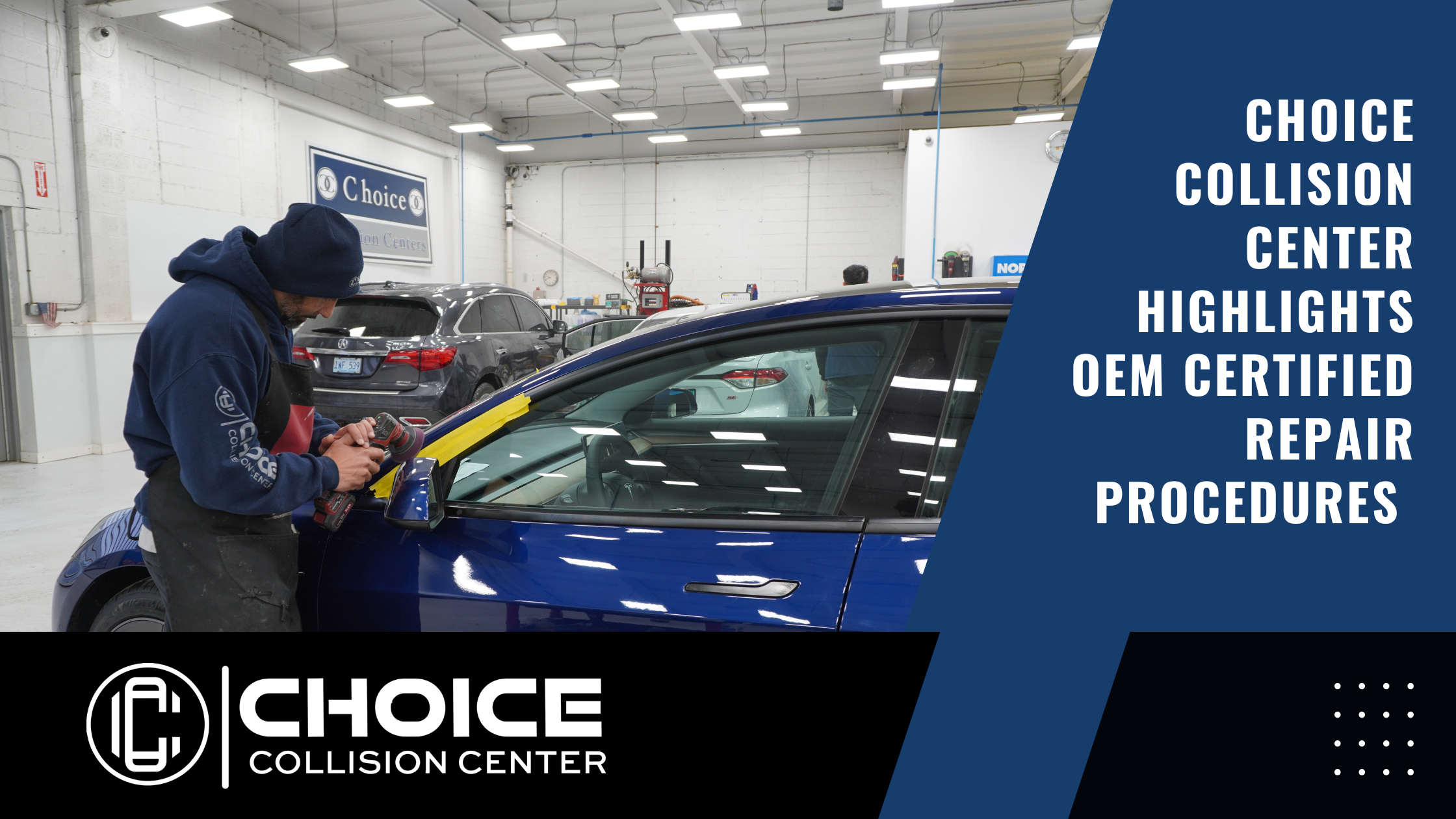
Choice Collision Center's Fall River facility provides collision repair services supported by manufacturer repair information and industry-recognized repair standards. The company states that OEM repair procedures help guide decisions related to structural repairs, component replacement, material usage, and post-repair inspections.
"Vehicle manufacturers continue refining vehicle designs, materials, and safety technologies," said a representative of Choice Collision Center. "Access to manufacturer repair information helps repair facilities follow procedures developed specifically for the vehicles they service."
The company notes that modern vehicles frequently incorporate high-strength steel, aluminum components, advanced driver-assistance systems, sensors, cameras, and other technologies that may require specialized repair methods. OEM repair procedures provide information intended to help repair professionals address these systems according to manufacturer specifications.
According to Choice Collision Center, OEM certified repair procedures may influence structural repairs, panel replacement methods, welding requirements, refinishing operations, component installation, and repair verification processes. Repair recommendations can vary significantly depending on the vehicle manufacturer, model, and extent of collision damage.
Industry organizations continue emphasizing the importance of manufacturer repair information as vehicle designs become increasingly complex. Repair facilities often invest in technician education, repair equipment, and repair resources to remain informed about evolving repair standards and manufacturer recommendations.
Choice Collision Center notes that manufacturer repair procedures are frequently updated as automakers introduce new vehicle platforms, construction methods, and safety technologies. Repair facilities must remain informed about these changes through ongoing training, repair documentation, and access to manufacturer resources. According to the company, staying current with evolving repair information helps support repair planning and decision-making throughout the restoration process.
The company also states that OEM repair procedures often extend beyond the physical repair itself. Vehicle manufacturers may provide guidance regarding inspections, measurement procedures, scanning requirements, calibration processes, corrosion protection methods, and repair verification steps. These requirements can vary significantly between manufacturers and vehicle models, making vehicle-specific repair information an important part of modern collision repair operations.
The company also highlights the importance of repair planning before restoration work begins. Comprehensive inspections and damage assessments help identify repair requirements that may not be immediately visible following an accident. Reviewing manufacturer procedures during the planning process helps establish a repair strategy based on vehicle-specific information.
Choice Collision Center further notes that quality-control procedures remain an important component of manufacturer-aligned repairs. Inspections may take place throughout various stages of the repair process to help verify repair accuracy, component fitment, structural integrity, and overall repair completion. These review procedures help support repair documentation and provide an additional level of verification before vehicles are returned to customers.
According to the company, collision repair facilities increasingly encounter vehicles equipped with advanced safety technologies that require additional attention during the restoration process. Cameras, radar systems, parking sensors, and other electronic components may be affected by collision damage or repair procedures and often require evaluation according to manufacturer recommendations.
As vehicle technology continues evolving, collision repair facilities face increasing demands related to repair accuracy, technician training, documentation, and compliance with manufacturer guidance. Choice Collision Center states that maintaining a focus on OEM repair procedures remains an important component of supporting modern vehicle restoration.
The Fall River facility continues serving drivers who require assistance following collisions and accident-related vehicle damage. Through its repair process, Choice Collision Center aims to support vehicle restoration, repair quality, and customer confidence throughout the repair experience.
More information about OEM certified repair procedures is available through Choice Collision Center. Additional company updates and announcements are available through Choice Collision Center on Facebook.
About Choice Collision Center
Choice Collision Center provides collision repair, auto body repair, paint refinishing, structural repair, dent repair, glass replacement, wheel alignments, scans and calibrations, and vehicle restoration services. The company operates repair facilities in Rhode Island and Massachusetts and focuses on manufacturer-recommended repair procedures, technician development, and customer communication throughout the repair process.
###
For more information about Choice Collision Center, contact the company here:
Choice Collision Center (Fall River)
Steve Melo
(401) 245-0213
information@choicecollisioncenters.com
645 Brayton Ave, Fall River, MA 02721
