TAMPA, FL, Dec. 29, 2025 (GLOBE NEWSWIRE) -- Disclaimer: This article is for informational purposes only. It is not medical advice. Always consult a qualified healthcare professional before starting supplements. If you purchase through links in this article, a commission may be earned at no additional cost to you.
For millions of men navigating life after 50, a familiar pattern has quietly reshaped their nights: the 2 AM trip to the bathroom, followed by another at 4 AM, and perhaps again at 5:30. What begins as a minor inconvenience gradually becomes something more disruptive—a sleep-fragmentation routine that leaves them exhausted by morning and searching for answers by afternoon.
The experience of waking multiple times each night to urinate, medically termed nocturia, represents one of the most disruptive symptoms associated with prostate changes. For men averaging three to four bathroom trips between midnight and morning, the cumulative sleep debt affects cognitive function, mood, and daily performance in ways that extend far beyond physical discomfort. Partners lose sleep. Concentration suffers. The quiet frustration compounds over months and years.
The frustration extends beyond lost sleep. There is the weak stream that takes longer to start. The sudden urgency that demands immediate attention. The mental mapping of every bathroom in every building. The hesitation before long car trips or movie theaters. These experiences, while rarely discussed openly, affect an estimated one in two men over 50, according to urological research examining benign prostatic hyperplasia prevalence.
These experiences are commonly discussed in urology literature as part of age-related prostate changes and may have multiple contributing factors unrelated to any single supplement or intervention.
As men across the United States enter 2026 with renewed focus on health optimization, prostate wellness has emerged as a leading priority among those evaluating supplement options during the traditional New Year resolution period. Search interest in prostate support formulas typically peaks between December 26 and January 31, coinciding with post-holiday health reassessments and annual wellness planning. The disrupted sleep patterns common during holiday travel and celebration often amplify awareness of nighttime urination frequency, prompting many men to finally research solutions they had previously postponed.
Against this backdrop, Prostadine has emerged as one of the more discussed natural formulas in the prostate wellness category heading into 2026. Distinguished by its liquid dropper delivery system and a nine-ingredient formula emphasizing marine-derived compounds, Prostadine positions itself as supporting normal prostate function, healthy urinary system activity, and bladder control through what the brand describes as a "mineral-free" approach to prostate health.
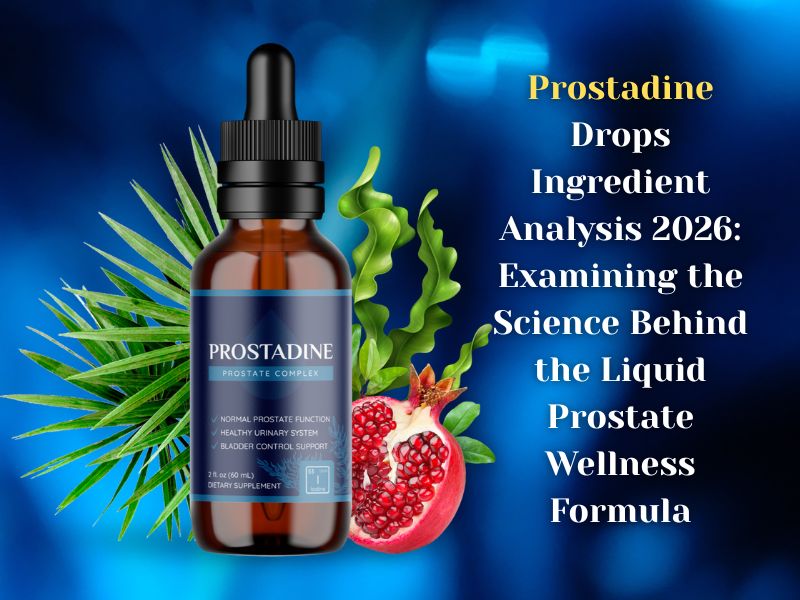
This analysis provides a thorough examination of Prostadine's formulation, the scientific research associated with its individual ingredients, realistic expectations for those considering the supplement, and critical information for making an informed decision about whether this formula aligns with individual health goals for the year ahead.
Readers who want to verify the latest label, ingredients, and policies can view the current Prostadine offer (official Prostadine page).
Understanding Why Prostate Changes Occur: The Biological Context
Before evaluating any supplement, understanding the underlying biology provides essential context for assessing potential relevance. Men researching prostate support options benefit from understanding what is happening physiologically, which informs realistic expectations about what any intervention—pharmaceutical or supplemental—can reasonably accomplish.
The Prostate Gland: Structure and Function
The prostate is a walnut-sized gland located below the bladder and in front of the rectum in men. It surrounds the urethra, the tube that carries urine from the bladder through the penis. The prostate produces fluid that nourishes and transports sperm, playing a role in reproductive function.
According to the National Cancer Institute, the prostate tends to grow larger as men age. When men are in their 20s, the normal prostate is about the size of a walnut. By age 40, the prostate may have grown slightly larger, and by age 60, the prostate is often the size of a lemon. This growth pattern is a normal part of aging for most men.
The prostate's position surrounding the urethra explains why even modest enlargement can affect urinary function. As the gland grows, it can compress the urethra, restricting urine flow and creating the symptoms many men experience as they age. This anatomical reality is why prostate health and urinary function are so closely linked.
Benign Prostatic Hyperplasia: The Most Common Prostate Condition
Benign prostatic hyperplasia, commonly called BPH or enlarged prostate, refers to the non-cancerous growth of the prostate gland. According to Lee Health urology specialists, BPH is the number one reason men visit urologists after turning 50, with research showing the condition occurs in about half of all men between ages 51 and 60. After age 70, 80 to 90 percent of men develop some degree of BPH.
It is critically important to understand that BPH is not cancer and does not increase cancer risk. However, the symptoms it causes can significantly impact quality of life. The gradual nature of symptom progression often leads men to normalize their experience, not realizing how significantly their sleep quality and daily comfort have deteriorated until they address the underlying issue.
Common Symptoms Associated with Prostate Changes
According to Harvard Health and the National Cancer Institute, symptoms that may be associated with prostate changes include:
Urinary frequency represents one of the earliest and most common symptoms, with affected men urinating eight or more times daily compared to the typical four to six times for men without prostate issues.
Nighttime urinary disruption, or waking multiple times at night to urinate, often proves the most disruptive symptom. Men who once slept through the night find themselves waking two, three, or four times, fragmenting sleep cycles and preventing the deep, restorative rest essential for cognitive function and physical recovery.
Urinary urgency describes the inability to delay urination once the urge arises. This symptom often creates anxiety around travel, meetings, or any situation where bathroom access may be limited.
Weak urine stream or difficulty starting urination reflects the mechanical compression of the urethra by the enlarged prostate. Men may notice they need to wait longer for flow to begin or that the stream lacks the force it once had.
Hesitancy involves stopping and starting during urination, often requiring additional time to complete what was once a quick, uninterrupted process.
Incomplete emptying creates a persistent sensation that the bladder has not fully emptied, often leading to another bathroom trip within minutes of the first.
Post-void dribbling at the end of urination can create discomfort and self-consciousness.
These symptoms can range from mildly annoying to significantly disruptive. According to urological research, less than half of men with BPH experience symptoms, but for those who do, the impact on sleep quality, daily activities, and overall well-being can be substantial.
The Role of Hormones: Understanding DHT
Dihydrotestosterone, commonly known as DHT, plays a central role in prostate growth. DHT is a hormone derived from testosterone through the action of an enzyme called 5-alpha-reductase. While DHT is essential during male development, its continued action on the prostate in adulthood contributes to the gradual enlargement many men experience.
Pharmaceutical treatments for BPH often target this pathway. 5-alpha-reductase inhibitors like finasteride and dutasteride reduce DHT levels, potentially slowing prostate growth. Some natural compounds, including saw palmetto, have been studied for potential effects on this same pathway, though the mechanisms and efficacy differ from pharmaceutical interventions.
Understanding this hormonal context helps frame what various interventions—pharmaceutical and supplemental—are attempting to accomplish. It also underscores why prostate changes are so common: they result from normal hormonal processes that affect virtually all men as they age.
Why Medical Evaluation Matters
Any man experiencing urinary symptoms should consult a healthcare provider for proper evaluation. According to Johns Hopkins Medicine and multiple urological sources, symptoms of BPH can be similar to symptoms of prostate cancer or other conditions like prostatitis or urinary tract infections. Proper diagnosis is essential before considering any intervention, including dietary supplements.
Medical evaluation typically includes a digital rectal exam, PSA blood test, urinalysis, and sometimes imaging or urodynamic studies. These assessments help rule out more serious conditions and establish a baseline for monitoring.
This analysis examines Prostadine as a dietary supplement option for men who have discussed supplementation with their healthcare providers and are seeking additional information. Prostadine is not a treatment for BPH, prostate cancer, or any medical condition.
The Hard Water Hypothesis: Prostadine's Distinctive Positioning
One aspect that distinguishes Prostadine's marketing from many prostate supplements is its focus on what the brand terms "hard water toxins" and mineral buildup. This positioning warrants examination to understand both the claims and the scientific context.
What the Brand Claims
According to the official Prostadine website, the formula is positioned as addressing concerns about minerals and contaminants commonly found in hard tap water that may accumulate in the body over decades. The brand's marketing references water quality discussions and aging infrastructure in the United States, suggesting this may relate to prostate health concerns.
The brand positions Prostadine as helping keep the prostate "mineral-free" while supporting overall prostate and urinary system health through its blend of marine-derived ingredients and traditional botanicals. These statements have not been evaluated by the FDA, and the product is not intended to diagnose, treat, cure, or prevent disease.
Scientific and Marketing Context
One marketing theme on the brand's website connects long-term environmental exposures, including drinking-water discussions, to prostate wellness interest. This positioning is not a clinical mechanism classification, and readers should treat it as brand marketing language rather than settled medical consensus.
Research has examined drinking-water contaminants and various health outcomes in peer-reviewed literature. However, establishing direct causal links between specific water contaminants and prostate dysfunction requires additional investigation, and such research does not validate the specific marketing claims made by supplement brands.
It is important to note that mainstream urology, as referenced in medical literature, emphasizes factors like age, genetics, and hormones—particularly DHT—as primary contributors to prostate changes. The "hard water" theory as presented in supplement marketing represents brand positioning that requires readers to evaluate independently.
The scientific validity of this specific mechanism does not necessarily determine whether the ingredients in Prostadine may offer benefits through other pathways. Many of the individual ingredients have been studied for anti-inflammatory, antioxidant, or other properties that could theoretically support prostate and urinary health through mechanisms unrelated to mineral detoxification.
Environmental Context for 2026
Water quality concerns have gained increased attention in recent years, with various municipalities addressing aging infrastructure and contamination issues. Whether or not the specific "hard water toxin" hypothesis proves valid, the broader conversation about environmental exposures and health outcomes reflects legitimate scientific inquiry.
Men evaluating Prostadine should consider the marine-derived ingredient profile on its own merits, independent of any single marketing narrative. The ingredients themselves have research histories that can be evaluated separately from the brand's positioning.
Prostadine's Nine-Ingredient Formula: Complete Scientific Analysis
According to the Supplement Facts panel on the official product label, Prostadine contains the following ingredients per two-dropper (2 ml) serving:
Iodine (275 mcg, 183% Daily Value) Sourced from potassium iodide, Nori Yaki Extract, Wakame Extract, and Kelp
Proprietary Blend (500 mg):
- Neem Oil
- Saw Palmetto Essential Oil (Serenoa repens)
Additional Ingredients:
- Nori Yaki Extract Powder (leaf) — 10 mg
- Wakame Extract (leaf) — 10 mg
- Kelp Powder (leaf) — 10 mg
- Bladderwrack Powder — 10 mg
- Pomegranate Extract (fruit) — 5 mg
- Shilajit Extract (gum and resin) — 5 mg
Other Ingredients: MCT Oil (carrier)
The following sections examine each ingredient in detail, including relevant research. It is essential to understand that ingredient-level research does not guarantee identical outcomes when ingredients are combined in a finished supplement product. Dosages, bioavailability, extraction methods, and individual factors all influence how any supplement may work for a given person.
Saw Palmetto (Serenoa repens): The Foundation Ingredient
Saw palmetto is arguably the most extensively studied natural ingredient in the prostate health category and serves as the cornerstone of Prostadine's proprietary blend.
Background and Traditional Use
Saw palmetto is derived from the berries of the Serenoa repens palm, native to the southeastern United States. Native Americans used saw palmetto berries for urinary and reproductive issues, and the ingredient has been used in traditional medicine for over a century. Its long history of use predates modern scientific investigation.
Research Overview
According to a study published in The Journal of Urology (Gerber GS, 2000), evidence suggests that saw palmetto may provide mild to moderate improvement in urinary symptoms and flow measures. The study noted that saw palmetto was well-tolerated with a low incidence of side effects compared to pharmaceutical interventions.
The New England Journal of Medicine published research (Bent S, Kane C, Shinohara K, et al., 2006) examining saw palmetto for benign prostatic hyperplasia. While findings were mixed, with some studies showing benefit and others showing no significant difference from placebo, the ingredient continues to be widely used and studied. The mixed results may reflect variations in extract quality, dosage, and study populations.
Research from UC San Francisco (Harris L, Frohlich M, Bok R, et al.) found that saw palmetto lowered PSA levels in men with advanced prostate cancer, though researchers emphasized this requires careful clinical interpretation and should not be misconstrued as a treatment recommendation.
The Japanese Urological Association clinical guidelines (Homma Y, Gotoh M, Yokoyama O, et al., International Journal of Urology, 2011) have included saw palmetto among natural approaches evaluated for lower urinary tract symptoms, reflecting international interest in the ingredient.
A Cochrane systematic review examining saw palmetto for BPH concluded that while the ingredient appears safe, evidence for efficacy remains inconclusive. However, the review also noted that many men report subjective improvement, suggesting individual response variation.
Proposed Mechanisms
Saw palmetto's potential benefits have been attributed to several proposed mechanisms:
- Inhibition of 5-alpha-reductase, an enzyme involved in converting testosterone to DHT, represents the most commonly cited mechanism. By reducing DHT levels locally in prostate tissue, saw palmetto might theoretically slow the hormonal stimulus for prostate growth.
- Anti-inflammatory properties affecting prostate tissue may reduce swelling and improve urinary flow independent of any hormonal effects. Inflammation contributes to urinary symptoms in many men.
- Potential antiandrogenic activity affecting hormone receptors in prostate tissue has been proposed, though this mechanism remains under investigation.
- Effects on smooth muscle in the bladder and urethra might improve urinary flow dynamics, helping the bladder empty more completely and reducing urgency.
Important Considerations
Saw palmetto may interact with blood-thinning medications and hormone-related therapies. Men taking anticoagulants, hormone treatments, or scheduled for surgery should consult healthcare providers before using supplements containing saw palmetto.
The exact mechanisms remain under investigation, and individual responses to saw palmetto vary considerably. Some men report significant benefit while others notice no change.
Dosage Context
Clinical studies on saw palmetto have typically used doses of 160 mg twice daily (320 mg total) of standardized extract. The proprietary blend in Prostadine contains 500 mg total of neem oil and saw palmetto combined, meaning the exact saw palmetto dose is not disclosed. This opacity makes direct comparison to clinical research dosages difficult.
Verify the latest label, ingredients, and policies by viewing the current Prostadine offer (official Prostadine page).
Iodine Complex: Thyroid and Potential Prostate Connections
Prostadine provides 275 mcg of iodine per serving, representing 183% of the Daily Value. This iodine is sourced from multiple marine extracts and potassium iodide.
Background
Iodine is an essential mineral primarily associated with thyroid function. The thyroid gland uses iodine to produce hormones that regulate metabolism, growth, and numerous bodily functions. Iodine deficiency remains a global health concern, though it is less common in developed countries with iodized salt programs.
Research on Iodine and Prostate Health
A study published in Molecular Medicine (Olvera-Caltzontzin P, Delgado G, Aceves C, et al., 2013) examined iodine uptake and prostate cancer in a mouse model. The research noted that epidemiological studies show a possible relationship between iodine intake and prostate health outcomes, though this remains an area requiring further investigation.
Research published in BMC Public Health (Sun Y, Chen C, Liu GG, et al., 2020) examined associations between iodine intake and reproductive health parameters in men, finding that iodine status may influence certain aspects of male reproductive health.
According to the Sultan Qaboos University Medical Journal (Kapil U, 2007), iodine deficiency has wide-ranging health consequences extending beyond thyroid function, affecting multiple organ systems.
Some researchers have proposed that adequate iodine status supports overall endocrine function, which may indirectly influence prostate health through hormonal pathways. However, direct evidence for iodine supplementation improving prostate symptoms remains limited.
Critical Safety Considerations
The substantial iodine content at 183% of the Daily Value warrants particular attention for men researching prostate supplements in 2026. Unlike many competing formulas that contain minimal iodine, Prostadine's marine-derived ingredient stack delivers nearly double the daily recommended intake.
Men with thyroid conditions: Those with hyperthyroidism, Hashimoto's disease, Graves' disease, or other thyroid disorders should consult healthcare providers before using iodine-containing supplements. Excess iodine can worsen certain thyroid conditions or interfere with thyroid function.
Men taking thyroid medications: Iodine supplementation may interact with thyroid medications including levothyroxine (Synthroid), liothyronine, and similar drugs. The interaction can affect medication efficacy and thyroid hormone levels.
Men with iodine sensitivity: Some individuals are sensitive to iodine and may experience adverse reactions including skin reactions, gastrointestinal upset, or thyroid dysfunction.
Men with undiagnosed thyroid conditions: Subclinical thyroid dysfunction is common in older men and may go undiagnosed. The high iodine content in Prostadine could unmask or exacerbate underlying thyroid issues.
The brand's label appropriately directs users to consult healthcare providers before use, which is particularly important given the iodine content. Men considering Prostadine should discuss the iodine content specifically with their healthcare providers.
Nori Yaki Extract: Edible Seaweed Research
Nori, the seaweed commonly associated with sushi, appears in Prostadine as Nori Yaki Extract Powder at 10 mg per serving.
Background
Nori is a red algae species that has been consumed in Asian cuisines for centuries. It is rich in iodine, vitamins, minerals, and various bioactive compounds including polyphenols and peptides. Japanese populations with high seaweed consumption have been studied for various health outcomes.
Research Overview
Research from Accel Research Sites (2013) discussed how seaweed consumption could potentially offer protective effects, citing lower rates of certain cancers in populations with high seaweed consumption, such as Japan. However, these observational associations do not establish causation, and other dietary and lifestyle factors may contribute.
Assessment of Japanese iodine intake based on seaweed consumption (Zava TT, Zava DT, Thyroid Research, 2011) provided context for understanding how traditional diets incorporating seaweed may influence health outcomes across populations. Traditional Japanese diets include substantially more seaweed than Western diets.
Research has identified various bioactive compounds in nori, including porphyran (a sulfated polysaccharide), peptides with potential biological activity, and various antioxidant compounds. These have been studied in laboratory settings for various properties.
Proposed Mechanisms
Seaweeds like nori contain various bioactive compounds including:
- Polyphenols with antioxidant properties that may help reduce oxidative stress in various tissues.
- Fucoidans and other sulfated polysaccharides studied for anti-inflammatory effects in laboratory settings.
- Minerals and trace elements that support various physiological functions.
- Peptides with various biological activities identified in laboratory research.
Dosage Context
At 10 mg per serving, the nori extract in Prostadine represents a relatively small amount compared to dietary consumption of seaweed in traditional Japanese diets, which can range from several grams to over 10 grams daily. The clinical relevance of this dosage compared to amounts consumed in populations with documented health associations requires consideration. Whether 10 mg can deliver meaningful effects remains uncertain.
Wakame Extract: Brown Algae Research
Wakame, another seaweed variety, provides additional marine-derived compounds to Prostadine at 10 mg per serving.
Background
Wakame is an edible brown seaweed commonly used in Japanese and Korean cuisines, often appearing in miso soup and seaweed salads. It contains fucoxanthin, fucoidan, and various minerals.
Research Overview
Research examining biological activities of fucoxanthin derived from marine brown algae (Kim SK, Pangestuti R, Advances in Food and Nutrition Research, 2011) explored compounds found in wakame and similar seaweeds for various health applications. Fucoxanthin has been studied for potential metabolic effects.
Studies on fucoidan fractions from seaweeds (Marudhupandi T, Kumar TT, Senthil SL, et al., Pakistan Journal of Biological Sciences, 2014) demonstrated in vitro antioxidant properties. Fucoidan has attracted research interest for various potential applications.
Laboratory research has examined wakame extracts for anti-inflammatory properties, with some studies showing effects on inflammatory markers in cell cultures and animal models.
Important Research Context
In vitro (laboratory) and animal studies do not directly translate to human outcomes. The doses used in research studies often differ significantly from amounts found in supplement formulations. The 10 mg dosage in Prostadine should be evaluated in this context.
The pathway from laboratory findings to clinical benefits in humans involves many steps that most compounds never successfully complete. Promising in vitro results frequently fail to translate when tested in human trials.
Kelp Powder: Mineral and Iodine Source
Kelp, a large brown seaweed, contributes to both the iodine content and the overall marine-derived compound profile at 10 mg per serving.
Background
Kelp refers to several species of large brown seaweeds that grow in underwater forests in shallow oceans. Kelp is one of the richest natural sources of iodine and contains various minerals. It has been used traditionally in various cultures for nutritional support.
Research Overview
According to analysis by Dr. Josh Axe (2016), kelp contains various minerals and compounds studied for metabolic and health-supporting properties. Kelp provides a broad spectrum of trace minerals from the marine environment.
Research on medicinal effects of phlorotannins from marine brown algae (Kim SK, Himaya SW, Advances in Food and Nutrition Research, 2011) examined bioactive compounds found in kelp and related seaweeds. Phlorotannins have shown antioxidant activity in laboratory studies.
Considerations
Kelp's primary contribution to Prostadine appears to be as an iodine source. As noted earlier, the total iodine content requires consideration for individuals with thyroid conditions. The 10 mg of kelp powder adds to the cumulative iodine from other marine ingredients.
Bladderwrack Powder: Traditional Marine Botanical
Bladderwrack (Fucus vesiculosus) is a brown seaweed with historical use in traditional medicine, included at 10 mg per serving.
Background
Bladderwrack has been used traditionally for thyroid support, metabolic health, and various other applications. It is rich in iodine, fucoidan, and other compounds. The name "bladderwrack" refers to the air bladders that help the seaweed float.
Research Overview
Bladderwrack has been studied for its iodine content, fucoidan compounds, and polyphenolic constituents. Research has examined potential antioxidant and anti-inflammatory properties in laboratory settings.
Traditional use of bladderwrack for "glandular" health predates modern understanding of thyroid function. Historical use provides context but does not constitute evidence of efficacy for modern health applications.
Important Consideration
Bladderwrack is another iodine source in the formula, contributing to the total iodine content. This reinforces the importance of thyroid health considerations for potential users. The cumulative iodine from multiple marine ingredients creates the 183% DV total.
Pomegranate Extract: Antioxidant Research
Pomegranate has attracted significant research interest in the prostate health space, included in Prostadine at 5 mg per serving.
Background
Pomegranate is a fruit rich in polyphenols, particularly punicalagins and ellagic acid, which are potent antioxidants. Pomegranate has been studied extensively for cardiovascular and prostate health applications.
Research Overview
A Phase II study published in Clinical Cancer Research (Pantuck AJ, Leppert JT, Zomorodian N, et al., 2006) examined pomegranate juice for men with rising PSA following prostate cancer treatment. UCLA Health reported findings suggesting pomegranate juice stabilized PSA levels in this specific clinical population. This was a small study in a specific population and does not establish general efficacy.
Research on pomegranate juice and erectile dysfunction (Forest CP, Padma-Nathan H, Liker HR, International Journal of Impotence Research, 2007) examined efficacy in male patients with mild to moderate erectile dysfunction, identifying pomegranate as a potent source of flavonoid antioxidants.
Additional research has examined pomegranate's effects on markers of inflammation and oxidative stress, with some studies showing positive effects on these biomarkers.
Dosage Context
Studies on pomegranate juice often used 8 ounces or more daily, containing substantial amounts of pomegranate compounds—potentially hundreds of milligrams of active polyphenols. The 5 mg of pomegranate extract in Prostadine represents a dramatically smaller amount.
Whether 5 mg can deliver effects comparable to those seen in studies using vastly larger amounts remains highly uncertain. This dosage discrepancy between research and formulation warrants consideration when evaluating potential benefits.
Shilajit Extract: Traditional Ayurvedic Compound
Shilajit, a mineral-rich substance from Himalayan rock formations, has been used in traditional Ayurvedic medicine for centuries, included at 5 mg per serving.
Background
Shilajit is a sticky, tar-like substance that seeps from rocks in high mountain ranges. It contains fulvic acid, humic acid, and over 80 minerals in ionic form. In Ayurvedic medicine, shilajit has been used for vitality, cognitive function, and male reproductive health for thousands of years.
Research Overview
A study published in Andrologia (Biswas TK, Pandit S, Mondal S, et al., 2010) clinically evaluated spermatogenic activity of processed shilajit in oligospermia, finding improvements in various reproductive parameters. This study used substantially higher doses than found in Prostadine.
Research in the International Journal of Alzheimer's Disease (Carrasco-Gallardo C, Guzman L, Maccioni RB, 2012) examined shilajit as a natural phytocomplex with potential procognitive activity, suggesting effects on brain function.
A clinical evaluation published in Andrologia (Pandit S, Biswas S, Jana U, et al., 2016) assessed purified shilajit on testosterone levels in healthy volunteers, finding significant increases compared to placebo. Again, dosages exceeded what is found in Prostadine.
Dosage Context
Studies on shilajit typically used doses of 200-500 mg daily. The 5 mg in Prostadine represents a substantially smaller amount—approximately 1-2.5% of research doses. Whether this amount can produce meaningful effects is uncertain.
The traditional Ayurvedic use involved larger quantities consumed over extended periods, not the small amounts found in many modern supplement formulations.
Neem Oil: Traditional Antimicrobial Botanical
Neem (Azadirachta indica) has been used in traditional medicine systems for various purposes and is included in Prostadine's proprietary blend.
Background
Neem is a tree native to the Indian subcontinent, with virtually all parts having traditional medicinal applications. Neem has been studied for antimicrobial, anti-inflammatory, and antioxidant properties. It has a long history of use in Ayurvedic medicine.
Research Overview
Research published in the Journal of Oncology (Sharma C, Vas AJ, Goala P, et al., 2014) examined neem leaf extract and found it affected growth of certain cell lines in laboratory settings. These in vitro findings require substantial additional research before any clinical conclusions can be drawn.
Important Research Context
Laboratory studies demonstrating effects on cell lines do not directly translate to human outcomes when consuming a supplement orally. The pathway from laboratory findings to clinical benefits involves many additional validation steps that most compounds do not successfully complete.
Neem's traditional antimicrobial uses may have relevance for certain applications, but its role in prostate health supplementation is less established than ingredients like saw palmetto.
MCT Oil: The Carrier Medium
Medium-chain triglyceride oil serves as the carrier for Prostadine's liquid formula.
Function
MCT oil provides several potential advantages as a supplement carrier:
- Easy digestibility compared to long-chain fats, as MCTs are processed differently by the body and absorbed more readily.
- May enhance absorption of fat-soluble compounds, potentially improving bioavailability of certain ingredients.
- Provides the liquid medium for the dropper format, enabling the delivery system that distinguishes Prostadine from capsule-based supplements.
- Neutral taste profile that may be more palatable than some botanical extracts alone.
- The liquid dropper format is one of Prostadine's distinguishing features, potentially offering advantages in absorption and ease of use compared to capsule or tablet formats. However, direct comparative studies between Prostadine's liquid format and capsule alternatives have not been published.
Readers who want to verify ingredient details can view the current Prostadine offer (official Prostadine page).
The Liquid Dropper Delivery System: Practical Considerations
One feature that distinguishes Prostadine from many prostate supplements is its liquid dropper format rather than capsules or tablets.
Administration Details
According to the product directions, the recommended dosage is two full droppers (2 ml) each day, preferably in the morning.
The brand's FAQ section indicates users can:
- Place drops directly under the tongue for sublingual absorption
- Add drops to water, tea, coffee, juice, or other beverages
- The brand emphasizes shaking the bottle well before each use to ensure proper mixing
Potential Advantages of Liquid Format
Liquid supplements may offer certain practical benefits:
Adjustable dosing allows users to easily modify the amount taken, starting with smaller doses and increasing as tolerated, or adjusting based on individual response.
Potentially faster absorption through sublingual administration or liquid ingestion may allow compounds to enter the bloodstream more quickly than tablets that must first dissolve in the digestive system.
Easier swallowing benefits those who have difficulty swallowing pills, a common concern among older adults who may have reduced esophageal function.
Flexibility in mixing with beverages allows users to mask taste and integrate supplementation into existing morning routines.
Potential Considerations
Storage requirements may differ for liquid supplements, which may require refrigeration after opening or more careful temperature control than capsules.
Taste is mentioned in some contexts, with certain users noting a strong, herbal flavor. Mixing with beverages can mitigate this issue.
Shelf life characteristics may differ from solid forms, with potential for faster degradation of certain compounds in liquid suspension.
Travel convenience may be reduced compared to capsules, as liquids require more careful handling and may be subject to airline restrictions.
Dosing consistency requires proper shaking and measurement, whereas capsules provide pre-measured doses. Inconsistent shaking could result in variable ingredient concentration per dose.
Who May Consider Prostadine: A Self-Assessment Framework
The following framework helps readers evaluate whether Prostadine aligns with their specific situation.
Prostadine May Align Well With Men Who:
Have discussed prostate health with their healthcare provider: Men who have received medical evaluation for their symptoms and discussed the role of dietary supplements as part of their overall wellness approach are best positioned to make informed decisions about products like Prostadine. Medical clearance ensures no contraindicated conditions exist.
Are seeking proactive wellness support rather than treatment: Men who have not been diagnosed with conditions requiring medical treatment but want to support normal prostate function as part of their overall health routine may find the ingredient profile of interest. This positions supplementation as wellness support, not disease treatment.
Prefer liquid supplement formats: Those who have difficulty swallowing pills, prefer the flexibility of liquid dosing, or believe liquid formats offer absorption advantages may appreciate Prostadine's dropper system.
Are interested in marine-derived ingredients: The formula's emphasis on seaweed extracts and iodine-rich compounds may appeal to those interested in incorporating marine botanicals into their supplement regimen. This distinguishes Prostadine from saw-palmetto-only formulas.
Have realistic expectations about timelines: Based on the brand's guidance and general supplement industry patterns, meaningful evaluation of a supplement like Prostadine typically requires consistent use over 60-90 days. Men expecting immediate results may be disappointed.
Are comfortable with the iodine content: Men without thyroid concerns who have discussed iodine supplementation with healthcare providers may be appropriate candidates. Those with normal thyroid function and no iodine sensitivity can likely use the product safely.
Are prepared for gradual, subtle changes: Dietary supplements generally work through nutritional support rather than pharmacological intervention. Changes tend to be gradual and may be subtle compared to pharmaceutical treatments.
Other Options May Be Preferable For Men Who:
Have diagnosed prostate conditions requiring treatment: Men with BPH requiring medical management, prostatitis requiring treatment, or any diagnosed prostate condition should work with healthcare providers on treatment plans. Supplements are not replacements for medical care when treatment is indicated.
Have thyroid conditions or take thyroid medication: The iodine content (183% Daily Value) may affect thyroid function or interact with medications. Medical consultation is essential for this group before using any iodine-containing supplement.
Take blood thinners or multiple medications: Several ingredients in Prostadine, particularly saw palmetto, may have potential interactions with medications. Anyone taking prescription drugs should consult healthcare providers and potentially pharmacists about interaction risks.
Have upcoming surgery scheduled: Some ingredients may affect bleeding or interact with anesthesia. Supplements should typically be disclosed to and discussed with surgical teams, often with discontinuation recommended 1-2 weeks before procedures.
Expect rapid or dramatic results: Dietary supplements typically work gradually, and individual responses vary significantly. Anyone expecting quick, dramatic changes may have unrealistic expectations that lead to disappointment.
Are under 40 without specific concerns: Prostate supplements are generally formulated for age-related changes that typically begin affecting men in their 40s and become more common in the 50s and beyond. Younger men without specific prostate concerns may not be the intended audience.
Have known iodine sensitivity or allergy: Those with documented reactions to iodine or iodine-containing compounds should avoid Prostadine given its substantial iodine content from multiple sources.
Questions to Ask Yourself Before Deciding
Before choosing any prostate supplement, consider these questions:
- Have I discussed my prostate health concerns with a healthcare provider and received appropriate evaluation?
- Do I have any thyroid conditions or take thyroid medications that might be affected by the iodine content?
- Am I taking any medications, particularly blood thinners, that might interact with ingredients in this supplement?
- Do I have realistic expectations about what a dietary supplement can and cannot accomplish?
- Am I prepared to use the product consistently for 60-90 days before evaluating results?
- Have I reviewed the ingredient list for any personal allergens or sensitivities?
- Is the cost sustainable for the recommended duration of use?
- Have I considered whether my symptoms warrant medical evaluation rather than self-treatment with supplements?
Your answers to these questions help determine whether Prostadine's specific formulation aligns with your health situation and goals as you enter 2026.
Realistic Expectations: What to Understand Before Starting
Setting appropriate expectations is essential for anyone considering a prostate supplement. Unrealistic expectations lead to disappointment and potentially to abandoning approaches that might have provided benefit with continued use.
Timeline Context
The brand does not publish specific guaranteed timelines for when users might notice changes, which is appropriate given the variability in individual responses.
Based on the brand's FAQ, which advises customers to use the product for at least three months before reaching conclusions, the company positions this as a product requiring consistent, extended use rather than producing immediate effects. This aligns with general patterns in the dietary supplement category.
Dietary supplements generally work through nutritional support rather than pharmacological intervention. Any changes tend to be gradual and may be subtle compared to pharmaceutical treatments. Individual responses vary significantly based on numerous factors.
User Experience Context
The company's website includes testimonials presented as marketing materials. Individual experiences vary, and such examples are not intended to represent typical outcomes.
What Not to Expect
Prostadine is a dietary supplement. It is appropriate to understand what supplements in this category generally do not accomplish:
Not a cure: Prostadine does not cure any condition. BPH and other prostate conditions are chronic issues that persist regardless of supplementation.
Not a treatment: It is not a medical treatment for BPH or other diagnosed conditions. Medical conditions require medical management.
Not a substitute: It does not replace medical evaluation, diagnosis, or treatment. Supplements complement but do not replace healthcare.
Not universal: It does not work the same way for everyone. Genetic variation, health status, and other factors influence response.
Not immediate: It does not typically produce rapid results. Nutritional support works gradually.
Not prostate-shrinking: Unlike some pharmaceutical interventions, dietary supplements do not typically reduce prostate size.
Lifestyle Factors That Support Prostate Wellness
While evaluating supplements like Prostadine, it is valuable to understand the broader context of prostate health support. Research consistently identifies several lifestyle factors associated with prostate wellness that work alongside or independent of supplementation.
Dietary Considerations
According to Harvard Health, Johns Hopkins Medicine, and multiple urological sources, dietary patterns may influence prostate health:
Mediterranean-style eating featuring plant-based diets emphasizing whole fruits and vegetables, particularly cruciferous vegetables, whole grains, nuts, and olive oil, with fish preferred over red meat, may support overall and prostate health. According to Harvard Health, this dietary approach may be more beneficial than relying on unproven supplements or vitamins.
Lycopene-rich foods including tomatoes and tomato products contain lycopene, a potent antioxidant. According to a meta-analysis by Rowles et al. (2020) cited in PMC research, higher dietary lycopene intake is associated with reduced prostate cancer risk, though the effect size was modest. Cooking tomatoes increases lycopene bioavailability.
Limiting certain foods may also matter. Research suggests limiting red and processed meats, charred meats (which may release potentially harmful compounds), and excessive saturated fats. These dietary patterns align with general cardiovascular health recommendations.
Adequate hydration supports urinary function, though some men with nighttime urination issues may benefit from limiting fluids several hours before bedtime. The goal is adequate daytime hydration while reducing evening intake.
Physical Activity
According to Johns Hopkins Medicine and multiple health sources, regular physical activity offers several potential benefits for prostate health:
- Helps maintain healthy body weight, which is associated with better prostate health outcomes and reduced BPH symptom severity
- May influence hormone balance through various mechanisms
- Supports overall cardiovascular health, which affects circulation to all organs including the prostate
- Research from PMC indicates physical activity enhances hormonal balance, reduces inflammation, and may improve outcomes in men with prostate conditions
- Both aerobic exercise and resistance training appear beneficial, with general health guidelines recommending 150 minutes of moderate activity weekly.
Weight Management
Obesity is identified as a separate risk factor for prostate problems by multiple sources including Johns Hopkins Medicine. Maintaining healthy weight through diet and exercise may support prostate health. Excess body fat influences hormone levels and inflammation in ways that may affect prostate tissue.
Limiting Alcohol and Avoiding Tobacco
According to the DMC health system and other sources, excessive alcohol and tobacco products can negatively impact overall health, including prostate health. Research cited in Business Standard indicates that smoking and excessive alcohol increase inflammation and may increase prostate cancer risk. Moderate alcohol consumption may be acceptable for many men, but excess intake is consistently associated with negative health outcomes.
Regular Medical Check-ups
Perhaps most importantly, regular medical evaluation allows for early detection of any problems. The American Cancer Society provides screening recommendations based on age and risk factors:
- At age 50 for men at average risk expected to live at least 10 more years
- At age 45 for men at high risk, including African American men and those with a father or brother diagnosed with prostate cancer before age 65
- At age 40 for men at even higher risk, including those with multiple first-degree relatives who had prostate cancer at early ages
These are screening discussions, not automatic testing recommendations. Men should discuss the benefits and limitations of PSA screening with their healthcare providers.
How Supplements Fit Into the Picture
Dietary supplements like Prostadine are best viewed as one potential component of an overall wellness approach, not as standalone solutions or replacements for healthy lifestyle practices.
The most comprehensive approach to prostate wellness combines:
- Regular medical evaluation and screening as appropriate
- Healthy dietary patterns emphasizing plants, healthy fats, and lean proteins
- Regular physical activity including both cardiovascular and strength training
- Healthy weight maintenance
- Limiting alcohol and avoiding tobacco
- Appropriate supplementation if desired and discussed with healthcare providers
Supplements cannot compensate for poor lifestyle habits. Their potential benefits are most likely to manifest in the context of otherwise healthy living.
New Year Health Planning for 2026
For men approaching prostate health as part of 2026 resolution planning, a comprehensive approach works better than focusing solely on supplementation:
Start with medical evaluation: Schedule a check-up to establish baseline prostate health and discuss any symptoms.
Address lifestyle fundamentals first: Improvements in diet, exercise, and sleep often produce more significant benefits than any supplement.
Set realistic supplementation expectations: If adding a supplement like Prostadine, plan for consistent 90-day use before evaluating results.
Track symptoms systematically: Note nighttime bathroom trips, urgency episodes, and sleep quality to objectively assess any changes.
Review progress at 90 days: Evaluate whether the supplement is contributing meaningfully to your wellness goals.
Safety Considerations and Potential Interactions
Understanding safety considerations is essential for anyone considering a dietary supplement, particularly those containing multiple active ingredients.
General Safety Profile
According to the company's FAQ, Prostadine is manufactured in an FDA-registered facility under sterile, strict, and precise standards. The company states that all ingredients have been tested for purity and to ensure against toxins and contaminants.
The product label includes the following warning: "The safety of this product has not been determined." This regulatory language reflects the supplement industry's framework rather than specific safety concerns, but users should note this disclosure.
Specific Considerations by Ingredient
Iodine (183% Daily Value): The substantial iodine content represents the most significant safety consideration for many potential users.
May affect thyroid function in susceptible individuals
May interact with thyroid medications including levothyroxine, methimazole, and propylthiouracil
Individuals with Hashimoto's disease, Graves' disease, hyperthyroidism, or other thyroid conditions should consult healthcare providers before use
The combined iodine from multiple seaweed sources creates cumulative intake that may be inappropriate for certain individuals
Those with a history of thyroid nodules should exercise particular caution
Saw Palmetto: May interact with blood-thinning medications including warfarin, aspirin, clopidogrel, and other anticoagulants or antiplatelet drugs
May interact with hormone-related medications including testosterone replacement therapy and certain prostate medications
Should be disclosed to healthcare providers before surgery due to potential bleeding effects
May affect hormone-sensitive conditions
Pomegranate: May interact with certain blood pressure medications through effects on drug-metabolizing enzymes
May have mild blood-thinning properties
Generally well-tolerated at typical supplement doses
Shilajit: Limited safety data in Western medical literature
Traditional use suggests general tolerability in populations accustomed to its use
Quality and purity vary significantly between sources
Potential for heavy metal contamination in low-quality preparations
Seaweed Ingredients (Nori, Wakame, Kelp, Bladderwrack): All contribute to total iodine content
Potential for cross-reactivity in individuals with shellfish allergies (though seaweed allergies are distinct from shellfish allergies, some caution is warranted)
May accumulate heavy metals depending on sourcing—the company's stated testing should address this concern
Who Should Exercise Particular Caution
- Men with thyroid conditions of any kind should consult healthcare providers before use
- Men taking thyroid medications
- Men taking blood-thinning medications (warfarin, aspirin, clopidogrel, etc.)
- Men taking blood pressure medications
- Men with hormone-sensitive conditions
- Men scheduled for surgery (discuss with surgical team and consider discontinuation 1-2 weeks before procedures)
- Men taking multiple prescription medications (potential for unknown interactions)
- Men with known allergies to seaweed or shellfish (cross-reactivity possible)
Recommended Approach
The company appropriately advises that those currently taking medication or with medical conditions should show a bottle of Prostadine to their doctor before use. This recommendation should be taken seriously, particularly given the iodine content and the potential for interactions.
A prudent approach includes:
- Discussing the supplement with your primary healthcare provider before starting
- Sharing the complete ingredient list, including dosages
- Mentioning any other supplements currently being taken
- Following up if any unusual symptoms develop after starting
Readers who want to verify current information can view the current Prostadine offer (official Prostadine page).
Availability and Company Information
Availability, pricing, shipping terms, and refund policies can change over time. Readers should verify current details directly with the company before making any purchase decision.
According to the company's stated policies at time of publication, the product includes a 60-day refund window, with return shipping not covered by the company. The company states the product is sold through its official website.
Readers who want to verify current terms can view the current Prostadine offer (official Prostadine page).
Contact Information
For product-specific inquiries, according to the company's website:
Product Support Email: contact@prostadine-product.com
Mailing Address: Prostadine 285 Northeast Ave Tallmadge, OH 44278 United States
Retailer Information: BuyGoods is the retailer of this product. BuyGoods is a registered trademark of BuyGoods, a Delaware corporation located at 1201 N Orange Street Suite #7223, Wilmington, DE 19801, USA.
Frequently Asked Questions
Is Prostadine legitimate?
Prostadine is a dietary supplement sold through its official website with stated manufacturing in an FDA-registered facility. The company provides verifiable contact information including a U.S. business address. Like all dietary supplements, it has not undergone FDA approval for efficacy claims, which is standard for the supplement category—the FDA does not pre-approve dietary supplements as it does for drugs. The company states it offers a 60-day refund policy; readers should verify current terms directly with the company.
Does Prostadine work?
Individual responses to dietary supplements vary considerably based on genetics, baseline health status, lifestyle factors, and other individual variables. The company's website includes testimonials presented as marketing materials; individual experiences vary and such examples are not intended to represent typical outcomes. The ingredients have varying levels of research at the individual ingredient level, but Prostadine as a combined formula has not been independently clinically studied.
How long does Prostadine take to show effects?
According to the company's guidance, users should allow at least three months of consistent use before evaluating results. Dietary supplements generally require consistent use over time rather than producing immediate effects, as they work through nutritional support mechanisms rather than pharmacological action.
Is Prostadine safe?
The company states the product is manufactured in an FDA-registered facility with ingredient testing for purity. The product label notes "the safety of this product has not been determined," which is standard regulatory language for dietary supplements. The most significant safety consideration is the iodine content (183% Daily Value), which may affect thyroid function or interact with thyroid medications. Saw palmetto may interact with blood thinners and hormone-related medications. Anyone with medical conditions or taking medications should consult healthcare providers before use, sharing the complete ingredient list.
Does Prostadine have side effects?
According to the company, they have not seen notable side effects among their customer base. However, potential considerations based on ingredients include possible effects on thyroid function (due to high iodine content), possible digestive adjustments during initial use, and potential interactions with medications. Individual responses vary, and anyone experiencing adverse effects should discontinue use and consult a healthcare provider.
What about the iodine content and thyroid health?
The 183% Daily Value iodine content is a significant consideration that deserves specific attention. For men with normal thyroid function and no thyroid conditions, this level is likely within safe parameters. However, men with hyperthyroidism, Hashimoto's disease, thyroid nodules, or those taking thyroid medications should consult their healthcare providers before using Prostadine. The cumulative iodine from multiple marine ingredients (nori, wakame, kelp, bladderwrack, plus potassium iodide) creates this elevated level. Symptoms of iodine excess can include metallic taste, increased salivation, stomach upset, and in sensitive individuals, thyroid dysfunction.
Where can I buy Prostadine?
The company states Prostadine is sold through its official website. Readers should verify current availability, terms, and policies directly with the company before making purchase decisions.
Is Prostadine affiliated with any major brand?
No. Prostadine is a third-party dietary supplement product. It is not affiliated with, endorsed by, or sponsored by any pharmaceutical company or major brand. It is distributed by Prostadine from Tallmadge, Ohio, with BuyGoods serving as the retailer.
Can Prostadine shrink an enlarged prostate?
Prostadine is a dietary supplement, not a medical treatment. Dietary supplements do not shrink enlarged prostates—this requires pharmaceutical intervention (such as 5-alpha-reductase inhibitors) or surgical procedures. Men with diagnosed BPH or enlarged prostate should work with healthcare providers on appropriate treatment plans, which may include prescription medications or procedures.
Should I take Prostadine instead of prescription medication?
No one should discontinue or avoid prescribed medication based on supplement use without consulting their healthcare provider. Prostadine is a dietary supplement intended to support general wellness, not replace medical treatment. Anyone with symptoms significant enough to consider prescription medication should be under medical care and should discuss any supplement use with their physician. If you are currently taking prostate medications like tamsulosin (Flomax) or finasteride (Proscar), consult your healthcare provider before adding any supplement.
Does Prostadine help with nighttime urination?
The company positions Prostadine as supporting normal urinary function. Individual responses to dietary supplements vary considerably. Any urinary symptoms should be discussed with a healthcare provider to identify underlying causes, as nocturia can result from multiple conditions including BPH, fluid intake patterns, sleep apnea, heart conditions, diabetes, and other factors.
Is Prostadine available on Amazon?
The company states Prostadine is sold through its official website. Readers should verify current availability directly with the company.
How should I take Prostadine?
According to product directions on the label, the recommended dosage is two full droppers (2 ml) daily, preferably in the morning. The drops can be placed directly under the tongue for sublingual absorption or mixed with water, juice, tea, or coffee. The bottle should be shaken well before each use.
Is Prostadine suitable for vegetarians or vegans?
Based on the ingredient list, Prostadine appears to contain plant-based and marine-sourced ingredients with MCT oil as the carrier. The marine ingredients (seaweeds) are plant-based algae, not animal-derived. However, those with strict dietary requirements should contact the manufacturer directly for clarification on vegan/vegetarian suitability.
Understanding What Prostadine Is Not: Critical Distinctions
Clear understanding of a supplement's limitations is as important as understanding its potential benefits. Managing expectations prevents disappointment and ensures appropriate healthcare decisions.
Prostadine Is Not a Medication
Prostadine is classified as a dietary supplement, not a medication or drug. This distinction has important implications:
- It has not undergone FDA approval for treating any condition—the FDA does not pre-approve dietary supplements
- It cannot legally claim to diagnose, treat, cure, or prevent any disease
- The FDA disclaimer on the label reflects this regulatory classification
- Standards for efficacy evidence differ substantially from pharmaceutical requirements
- The regulatory framework for supplements requires manufacturers to ensure safety and accurate labeling but does not require pre-market efficacy demonstration
Prostadine Is Not a Treatment for BPH
Benign prostatic hyperplasia is a medical condition that may require medical management. Treatment options for BPH include:
Lifestyle modifications represent the first-line approach for mild symptoms, including fluid management, bladder training, and dietary adjustments
Prescription medications like alpha-blockers (Flomax/tamsulosin, Uroxatral/alfuzosin) relax smooth muscle in the prostate and bladder neck; 5-alpha-reductase inhibitors (Proscar/finasteride, Avodart/dutasteride) reduce DHT and may shrink the prostate over time
Minimally invasive procedures like UroLift, Rezum water vapor therapy, and prostatic artery embolization offer treatment options between medications and surgery
Surgical interventions for severe cases include TURP (transurethral resection of the prostate), laser procedures, and other approaches
Prostadine is not a substitute for any of these approaches when medical treatment is indicated. Men with diagnosed BPH should work with urologists or healthcare providers on appropriate treatment plans.
Prostadine Is Not Guaranteed to Work
No dietary supplement works the same way for everyone. The "Results May Vary" disclaimer is not merely legal language but reflects biological reality:
- Individual responses to supplements vary based on genetics, baseline health, and other factors
- Some users report positive experiences; others report no changes
- The company's stated refund policy exists partly because results are not guaranteed
- Physiological variation means even well-studied ingredients produce different responses across individuals
Prostadine Is Not a Substitute for Medical Evaluation
Any man experiencing urinary symptoms should consult a healthcare provider because:
- Symptoms of BPH can mimic symptoms of prostate cancer—proper diagnosis is essential
- Prostatitis (prostate infection or inflammation) requires different approaches than BPH
- Urinary tract infections may cause similar symptoms and require antibiotic treatment
- Diabetes, heart failure, and neurological conditions can cause urinary symptoms
- Proper diagnosis guides appropriate intervention
- Delaying medical evaluation could allow progression of treatable conditions
Prostadine Is Not Appropriate for Everyone
As detailed in the Self-Assessment Framework, certain individuals should not use Prostadine or should only use it after medical consultation:
Those with thyroid conditions (due to iodine content) Those taking thyroid medications Those on blood thinners Those with hormone-sensitive conditions Those scheduled for surgery Those taking multiple prescription medications
The 2026 Context: Prostate Health in the New Year
As men enter 2026, prostate health awareness continues to grow, driven by demographic shifts, increased health consciousness, and greater willingness to discuss traditionally sensitive topics.
Demographic Realities
The aging population means more men than ever are entering the years when prostate changes commonly occur:
- Baby boomers continue moving into their 70s and 80s
- Generation X is entering their 50s and 60s, the decades when BPH symptoms typically emerge
- Increased life expectancy means more years of potential prostate-related concerns
- The sheer number of men in affected age groups drives increased interest in prostate wellness
Shifting Attitudes
Men's health discussions have become more normalized:
- Greater willingness to discuss urinary symptoms with partners and healthcare providers
- Reduced stigma around prostate health topics
- More information available online, necessitating careful evaluation of sources
- Partners and families more involved in health decisions
- Men's health awareness campaigns have increased visibility of prostate issues
The Resolution Context
For men considering prostate health support as part of New Year health goals:
Realistic approaches work better than dramatic ones. Rather than expecting a supplement to solve all problems, integrating prostate support into broader health improvements yields better outcomes. Supplements work best as one component of comprehensive wellness.
Consistency matters more than intensity. Whether with supplements, diet changes, or exercise, consistent long-term habits outperform short bursts of dramatic action. A 90-day commitment to daily supplementation provides a fair evaluation period.
Medical guidance provides foundation. Starting 2026 with a medical check-up provides baseline information and professional guidance for any wellness approach. Establishing current prostate health status informs supplement decisions.
Multiple factors contribute to outcomes. Combining appropriate supplementation (if desired) with diet, exercise, weight management, and medical care offers the most comprehensive approach.
The post-holiday timing is significant. Many men notice increased nighttime urinary disruption during holiday periods due to altered schedules, increased alcohol consumption, and travel disruptions. This heightened awareness often prompts research into solutions as the new year begins.
Summary: Key Points for Decision-Making
For readers who have reviewed this comprehensive analysis, the following summary captures the essential considerations for those evaluating Prostadine as part of 2026 health planning:
What Prostadine Is
- A liquid dropper dietary supplement containing nine natural ingredients
- According to the company, Prostadine is intended to support normal prostate function, healthy urinary system activity, and bladder control. These statements have not been evaluated by the FDA, and the product is not intended to diagnose, treat, cure, or prevent disease.
- Distinguishes itself through liquid format and marine-ingredient emphasis
- The company states it is sold through its official website
- Manufactured by a company based in Tallmadge, Ohio with BuyGoods as retailer
Key Ingredients
Saw Palmetto: Most well-researched ingredient in the prostate category; some studies show potential for urinary symptom support, though results are mixed across research
Iodine (183% DV): Significant amount requiring thyroid health consideration; sourced from multiple marine extracts
Marine extracts (Nori Yaki, Wakame, Kelp, Bladderwrack): Provide iodine and various bioactive compounds; limited direct prostate-specific research
Pomegranate and Shilajit: Traditional ingredients with some research support; present in small amounts (5 mg each) compared to research dosages
What Research Supports
- Individual ingredients have varying levels of scientific study
- Saw palmetto has the most prostate-specific research, with mixed but generally positive findings for urinary symptoms in some populations
- Marine ingredients are studied for antioxidant and anti-inflammatory properties
- No clinical studies on Prostadine as a combined formula exist
What to Consider Carefully
- Iodine content requires attention for anyone with thyroid concerns or medications
- Potential interactions with blood thinners, hormone medications, and other drugs
- Small dosages of some ingredients compared to research amounts
- Individual results vary; some users report no benefit
- Not a treatment for medical conditions
Who May Benefit Most
- Men who have consulted healthcare providers about prostate support
- Those without thyroid conditions or relevant medication interactions
- Those preferring liquid format over capsules
- Those interested in marine-derived ingredient approaches
- Those with realistic expectations and willingness to use consistently for 60-90 days
Who Should Look Elsewhere
- Men with diagnosed conditions requiring medical treatment
- Those with thyroid conditions
- Those on blood thinners or multiple medications without medical clearance
- Those expecting rapid or guaranteed results
- Those unwilling to consult healthcare providers
The Bottom Line for 2026
Prostadine represents one option among many in the prostate wellness supplement category. Its liquid format and marine-ingredient emphasis distinguish it from most competitors. For appropriate candidates who approach supplementation with realistic expectations and medical guidance, it may warrant consideration as part of a comprehensive approach to prostate wellness that includes healthy lifestyle practices and regular medical care.
It is not a treatment for any condition, not a substitute for medical care, and not appropriate for everyone. Individual responses to supplements vary. The company states it offers a 60-day refund policy; readers should verify current terms directly.
Readers who want to verify current details can view the current Prostadine offer (official Prostadine page).
Disclaimers
FDA Health Disclaimer: These statements have not been evaluated by the Food and Drug Administration. This product is not intended to diagnose, treat, cure, or prevent any disease. Always consult your physician before starting any new supplement, especially if you have existing health conditions or take medications.
Professional Medical Disclaimer: This article is educational and does not constitute medical advice. Prostadine is a dietary supplement, not a medication. If you are currently taking medications, have existing health conditions, or are considering any major changes to your health regimen, consult your physician before starting Prostadine or any new supplement. Do not change, adjust, or discontinue any medications or prescribed treatments without your physician's guidance and approval.
Results May Vary: Individual results will vary based on factors including age, baseline prostate health condition, lifestyle factors, consistency of use, genetic factors, current medications, and other individual variables. Results are not guaranteed.
FTC Affiliate Disclosure: This article contains affiliate links. If you purchase through these links, a commission may be earned at no additional cost to you.
Pricing Disclaimer: Availability, pricing, and terms are subject to change. Verify current details on the official website before making purchase decisions.
Publisher Responsibility Disclaimer: The publisher has made efforts to ensure accuracy at time of publication. Readers are encouraged to verify details directly with the company and their healthcare provider before making decisions.
Ingredient Interaction Warning: Some ingredients may interact with medications or health conditions. The iodine content (183% Daily Value) may affect thyroid function or interact with thyroid medications. Saw palmetto may interact with blood thinners and hormone-related medications. Consult a healthcare provider before starting any supplement, especially if taking medications.
Scientific Research Context: Research citations refer to studies on individual ingredients, not on Prostadine as a finished product. Laboratory and animal studies do not directly translate to human outcomes. Dosages in research often differ from supplement formulations. Prostadine as a combined formula has not been independently clinically studied.
Publication Date: December 2025 Research Compilation for 2026 Health Planning
Contact: For product-specific inquiries: Prostadine Product Support Email: contact@prostadine-product.com Address: 285 Northeast Ave, Tallmadge, OH 44278, United States
This article represents an independent research compilation and analysis. The publisher is not affiliated with Prostadine or its manufacturer beyond the disclosed affiliate relationship. All product claims are attributed to the company or cited research sources.

Email: contact@prostadine-product.com