Smile Hair Clinic: Could New Hair Loss Drugs Replace Hair Transplants?
PR Newswire
ISTANBUL, Nov. 13, 2026
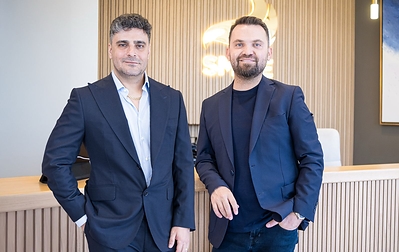
ISTANBUL, Nov. 13, 2026 /PRNewswire/ -- As new hair loss drug candidates advance through clinical trials, Dr. Mehmet Erdoğan and Dr. Gökay Bilgin, co-founders of Smile Hair Clinic, emphasise the importance of assessing medical treatment and hair transplantation as complementary parts of an individual treatment plan.

Emerging therapies may help some patients preserve existing hair and postpone surgery. For others, particularly where hair loss is more advanced and medication cannot provide sufficient coverage, transplantation may remain an important option.
Where viable hair follicles remain, medical treatment may help suitable patients preserve their existing hair or improve its appearance. For someone experiencing early thinning, assessing the response to treatment before making a surgical decision may therefore be a reasonable step.
"Medical treatment may help thicken thinning hair and slow further hair loss when started early. In advanced hair loss, it may help support existing hair, while areas with substantial, long-standing hair loss may require transplantation to restore coverage," said Dr. Gökay Bilgin, co-founder of Smile Hair Clinic.
The clinic also discusses the role of medication in protecting native hair after transplantation in its patient guidance. Treatment choices and timing should be tailored to the individual, with medication and surgery potentially forming complementary parts of a long-term plan.
Medical treatments act on existing follicles, while hair transplantation moves selected follicles from a donor area to parts of the scalp requiring coverage. The difference is relevant to patients researching a hair transplant in Turkey.
Dr. Bilgin explains that a new medicine cannot be assumed to replace transplantation for every patient. Someone with early thinning may benefit from medical treatment, while a person seeking to rebuild a substantially receded hairline or cover an area of established hair loss may benefit from a surgical assessment.
A transplant also does not prevent future loss of surrounding native hair. Preserving that hair and planning for possible progression remain important considerations.
As of November 2026, none of the four investigational drug candidates discussed here has received regulatory approval for pattern hair loss. However, several have made significant progress in clinical development, offering new insights into the future of new hair loss treatments
A topical anti-androgen has completed its Phase III programme, with positive efficacy and safety findings reported. The company is preparing regulatory submissions, with a US FDA filing planned for early 2027.
An extended-release oral formulation of minoxidil has reported positive results from its Phase III programme in men, including 12-month data demonstrating sustained improvements in hair count and coverage. Further results from its registration-directed study in women are expected in the first half of 2027.
A topical candidate designed to reactivate dormant hair follicle stem cells has advanced into a Phase II/III clinical trial in men, following encouraging Phase IIa findings.
An antibody candidate has completed its Phase II clinical study in men with androgenetic alopecia. However, publicly available efficacy results and further development milestones remain limited.
Despite these developments, none of these candidates is currently an approved replacement for established hair loss treatments. Their potential availability, suitability, long-term efficacy and safety remain subject to further clinical evaluation and regulatory review.
"A filing date marks the start of the regulatory process, not its completion. Consumers may interpret a year like '2027' as a promise that a treatment will be available by then. While several candidates are making progress in development, key questions remain unanswered, including when they may become available, who they may be suitable for, how much they may cost, and what their long-term safety profiles will look like," said Dr. Mehmet Erdoğan, co-founder of Smile Hair Clinic.
Positive trial findings do not establish that a treatment will provide sufficient regrowth for every patient. Approval, access and long-term outcomes remain subject to further evidence and regulatory review.
Dr. Erdoğan advises that patients should not decide whether to wait for a new drug on the basis of development news alone. The cause and stage of hair loss, the condition of existing follicles, donor capacity and the possibility of future progression all need to be considered.
Medical treatment and monitoring may be the appropriate first step for one patient. Transplantation may be suitable for another. In some cases, surgery and treatment aimed at preserving native hair may be considered together.
For patients with established hair loss, waiting for an investigational treatment does not guarantee that their desired coverage will become achievable without surgery. Equally, patients with early thinning may benefit from medical management before a surgical decision is made.
Each recommendation should follow a physician's assessment and reflect the patient's long-term needs.
Before deciding whether to pursue medical treatment, wait for emerging therapies or consider transplantation, patients should ask:
- What type and stage of hair loss do I have?
- What improvement can reasonably be expected from treatment of my existing follicles?
- Which treatments are approved for my condition, and which remain investigational?
- What results are supported by clinical evidence, and what remains uncertain?
- If I wait, how will my hair loss and donor area be monitored?
- If I proceed with surgery, how will the plan account for future hair loss?
- Could medication and transplantation be used together?
These questions can help keep the consultation focused on diagnosis, realistic expectations and a treatment plan that can be reviewed as stronger evidence becomes available.
Founded in Istanbul in 2018 by medical doctors Dr. Mehmet Erdoğan and Dr. Gökay Bilgin, Smile Hair Clinic provides doctor-led hair transplantation services for international patients. The clinic performs Sapphire FUE and DHI procedures under surgeon supervision and supports patients throughout consultation, treatment and aftercare.
Smile Hair Clinic is accredited by TEMOS International Healthcare Accreditation and has received its highest distinction, the A-Rated Certification, becoming the first and only hair transplant clinic in the world to achieve this rating.
Berk Elmas
Marketing Director
info@smilehairclinic.com
+90 549 149 24 00
 View original content to download multimedia:https://www.prnewswire.com/news-releases/smile-hair-clinic-could-new-hair-loss-drugs-replace-hair-transplants-302939266.html
SOURCE Smile Hair Clinic

